
 Image 1 of 1
China Star Anise 20 grams
Warm, sweet, and unmistakably liquorice-like with deep notes of anise, clove, and a hint of peppery warmth. China star anise (Illicium verum) offers an intense, sweet-spicy profile that mellows and deepens when toasted or simmered, making it a powerhouse in both savoury and sweet cooking.
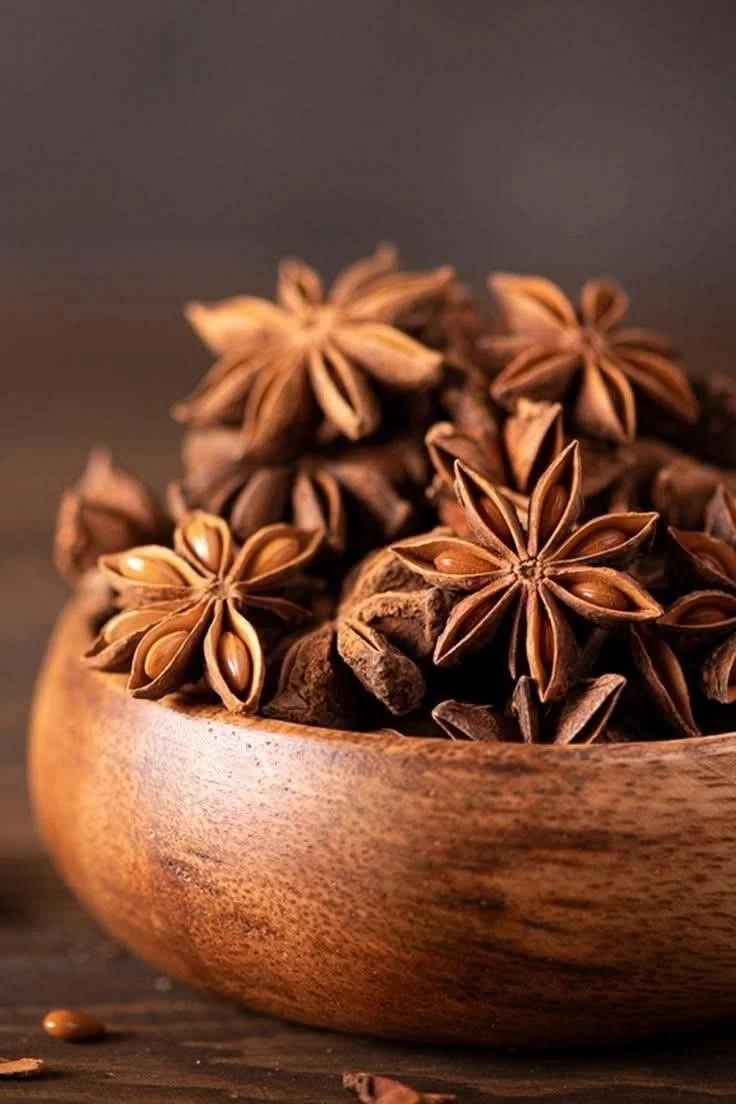
Appearance Distinctive star-shaped pods, typically 6–8 pointed rays, each containing a glossy brown seed at the centre. Pods range from deep brown to reddish-brown and are usually dry and brittle, releasing their aroma when cracked or crushed.
Culinary Uses
Braises & stews: Essential in Chinese five-spice blends and slow-cooked dishes like red-braised pork and beef stews—adds depth and a lingering sweet warmth.
Soups & broths: Common in pho and aromatic broths to build complex, savoury layers.
Marinades & rubs: Ground or lightly crushed for rubs on beef, pork, and duck to complement roasted, grilled, or smoked meats.
Baked goods & desserts: Use sparingly in cookies, poached fruit, custards, and syrups to lend a subtle liquorice-sweet note.
Tea & infusions: Brewed whole or crushed for spiced teas and mulled beverages.
Toast briefly in a dry pan to unlock oils and intensify flavour before grinding or adding to recipes.
Use whole pods in long-simmering dishes for gradual release; remove pods before serving (seeds are bitter if bitten directly).
A little goes a long way: start with one pod for a pot of stew or 1/4–1/2 teaspoon ground for most recipes.
Pair with cinnamon, cloves, Sichuan peppercorn, fennel, ginger, and star anise’s milder cousin, Chinese cinnamon (cassia).
Quality & Storage Choose whole pods that are firm, aromatic, and unbroken. Store in an airtight container in a cool, dark place to preserve potency. Ground star anise loses aroma quickly; grind only when needed.
Origin & Notes China star anise is harvested from small trees native to southern China and Vietnam. It’s distinct from the toxic Japanese anise (Illicium anisatum), so buy culinary-grade star anise labelled Illicium verum. Its bold, sweet-spicy character makes it a must-have for anyone serious about Asian, Middle Eastern, or spice-driven cooking.
China Star Anise 20 grams
Warm, sweet, and unmistakably liquorice-like with deep notes of anise, clove, and a hint of peppery warmth. China star anise (Illicium verum) offers an intense, sweet-spicy profile that mellows and deepens when toasted or simmered, making it a powerhouse in both savoury and sweet cooking.
Appearance Distinctive star-shaped pods, typically 6–8 pointed rays, each containing a glossy brown seed at the centre. Pods range from deep brown to reddish-brown and are usually dry and brittle, releasing their aroma when cracked or crushed.
Culinary Uses
Braises & stews: Essential in Chinese five-spice blends and slow-cooked dishes like red-braised pork and beef stews—adds depth and a lingering sweet warmth.
Soups & broths: Common in pho and aromatic broths to build complex, savoury layers.
Marinades & rubs: Ground or lightly crushed for rubs on beef, pork, and duck to complement roasted, grilled, or smoked meats.
Baked goods & desserts: Use sparingly in cookies, poached fruit, custards, and syrups to lend a subtle liquorice-sweet note.
Tea & infusions: Brewed whole or crushed for spiced teas and mulled beverages.
Toast briefly in a dry pan to unlock oils and intensify flavour before grinding or adding to recipes.
Use whole pods in long-simmering dishes for gradual release; remove pods before serving (seeds are bitter if bitten directly).
A little goes a long way: start with one pod for a pot of stew or 1/4–1/2 teaspoon ground for most recipes.
Pair with cinnamon, cloves, Sichuan peppercorn, fennel, ginger, and star anise’s milder cousin, Chinese cinnamon (cassia).
Quality & Storage Choose whole pods that are firm, aromatic, and unbroken. Store in an airtight container in a cool, dark place to preserve potency. Ground star anise loses aroma quickly; grind only when needed.
Origin & Notes China star anise is harvested from small trees native to southern China and Vietnam. It’s distinct from the toxic Japanese anise (Illicium anisatum), so buy culinary-grade star anise labelled Illicium verum. Its bold, sweet-spicy character makes it a must-have for anyone serious about Asian, Middle Eastern, or spice-driven cooking.